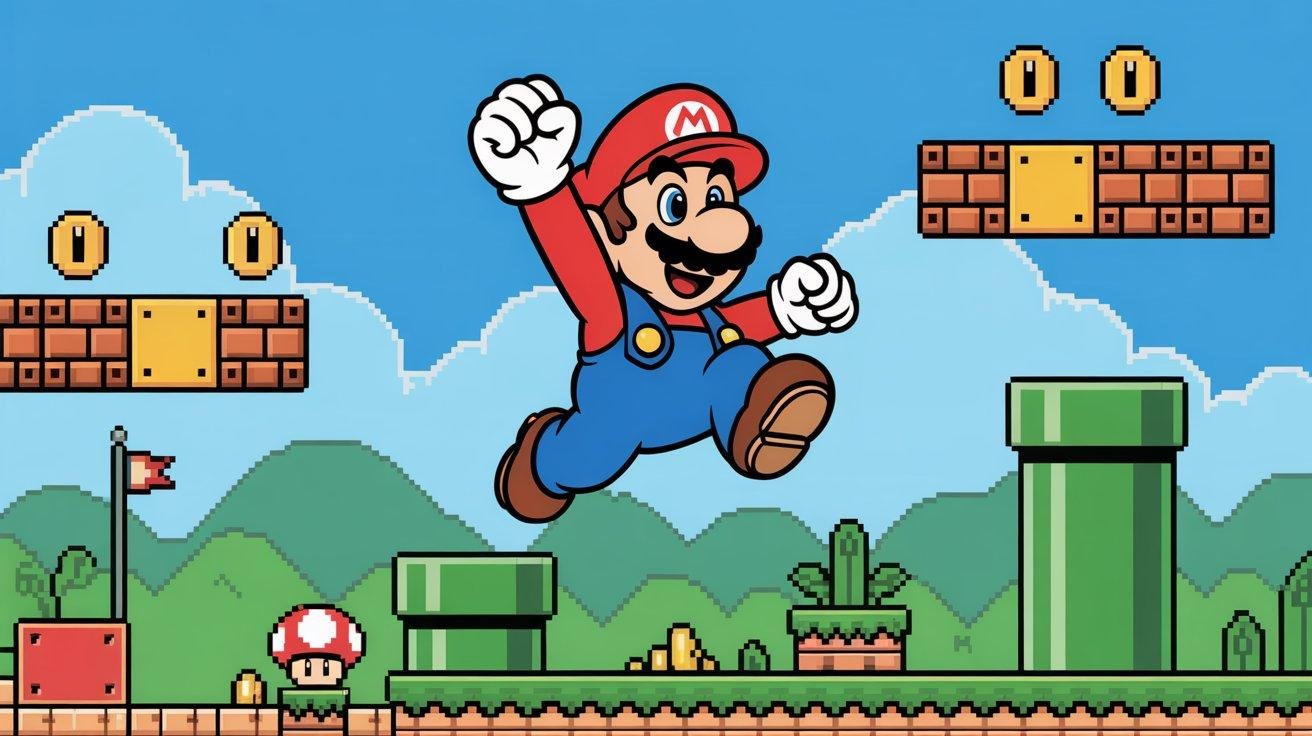
Super Mario Bros: The Classic Adventure
The world of video games is rich with iconic titles that have stood the test of time. One such game that remains deeply entrenched in gaming culture and continues to influence modern games is Super Mario Bros. Released in 1985 by Nintendo, Super Mario Bros introduced players to an unforgettable adventure through the Mushroom Kingdom. Its groundbreaking mechanics, memorable characters, and vibrant world made it a revolutionary title in the gaming world. In this blog post, we will take a nostalgic journey through the magic of Super Mario Bros, exploring its history, gameplay, and its lasting impact on the gaming industry.
A Revolutionary Beginning
When Super Mario Bros was released for the Nintendo Entertainment System (NES), it was more than just a video game; it was a milestone that would set the standard for platformers for decades to come. At the time, video games were typically relegated to arcades, and the concept of home console gaming was still in its infancy. Super Mario Bros helped to redefine what home gaming could be.
The game’s development was led by Shigeru Miyamoto, who would go on to become one of the most influential figures in the gaming industry. Miyamoto's vision was simple: to create a game that was accessible to everyone while offering depth for those who wanted to explore. And so, Super Mario Bros was born — a side-scrolling platformer with simple yet challenging gameplay mechanics.
The Iconic Characters
The most obvious star of Super Mario Bros is Mario, the cheerful Italian plumber who has since become the face of Nintendo. With his signature red hat, blue overalls, and distinctive mustache, Mario quickly became a beloved character for millions of players worldwide. Mario’s brother, Luigi, also joined the adventure, offering a unique character to the game’s two-player mode.
While Mario and Luigi were the main protagonists, Super Mario Bros also introduced players to a colorful cast of characters that would continue to appear throughout the franchise. Princess Toadstool (later known as Princess Peach) was the damsel in distress who needed saving, while Bowser, the evil King of the Koopas, served as the game's primary antagonist. These characters, along with the supporting cast of Toads and Goombas, helped bring the Mushroom Kingdom to life, adding to the game’s charm and appeal.
The Gameplay That Defined a Genre
Super Mario Bros is widely regarded as one of the best examples of game design, offering a perfect balance of simplicity and complexity. The core gameplay revolves around running, jumping, and navigating through various levels filled with obstacles, enemies, and hidden secrets. Each stage is meticulously crafted, with cleverly designed platforms, power-ups, and secret areas to encourage exploration.
One of the most revolutionary aspects of Super Mario Bros was the introduction of power-ups. Items like the Super Mushroom, which made Mario grow larger, and the Fire Flower, which allowed Mario to shoot fireballs, gave players new abilities and added variety to the gameplay. The invincibility Star was another memorable power-up, allowing Mario to plow through enemies without taking damage. These power-ups not only added to the fun but also created strategic moments where players had to decide when to use certain abilities for maximum effect.
The game also introduced the concept of warp zones, which allowed players to skip ahead to later levels. This feature gave the game a sense of non-linearity, encouraging players to explore the world more thoroughly to discover hidden paths and shortcuts.
The Mushroom Kingdom and Its Levels
The world of Super Mario Bros is vibrant, filled with colorful landscapes, distinct environments, and ever-changing challenges. The game is divided into eight worlds, each with its own unique theme, ranging from lush green fields and dark caves to icy mountains and fiery castles. Each world has a series of levels that must be completed to progress, with the final level in each world often culminating in a showdown with Bowser’s minions or, in some cases, Bowser himself.
The design of the levels in Super Mario Bros was revolutionary for its time. The levels were carefully crafted to gradually increase in difficulty, allowing players to become familiar with the mechanics before introducing more challenging obstacles. The platforming sections, combined with clever enemy placement and environmental hazards, kept players on their toes and offered an exciting challenge throughout the game.
One of the standout features of Super Mario Bros is its use of hidden secrets. Players could discover secret rooms, hidden coins, and even secret warp zones that took them to new areas. These hidden elements rewarded exploration, and players would often return to earlier levels to uncover everything the game had to offer. This sense of discovery added a layer of depth that made the game feel like an adventure rather than just a series of levels to be completed.
The Music That Sticks with You
In addition to its gameplay, Super Mario Bros is also known for its unforgettable soundtrack. The game's music, composed by Koji Kondo, has become iconic in the gaming world, with the main theme being instantly recognizable to gamers of all ages. The catchy tunes that accompany each world’s theme helped set the tone for each environment, while the iconic “Game Over” theme became a part of gaming culture.
The music of Super Mario Bros remains an important part of the series to this day, with many later entries in the franchise paying homage to the original soundtrack. The playful, upbeat melodies have become synonymous with Mario’s adventures and continue to evoke a sense of nostalgia for players who grew up with the game.
Legacy and Impact on Gaming
Since its release, Super Mario Bros has had an indelible impact on the gaming industry. It wasn’t just a commercial success (selling over 40 million copies worldwide), but it also established Nintendo as a leader in the gaming world. The game’s success helped revive the video game industry after the crash of 1983, and its influence can still be felt in modern games today.
Super Mario Bros set the standard for platformers and inspired countless other titles in the genre. The idea of tight, responsive controls, creative level design, and the importance of power-ups has been adopted by many games since. Beyond the platformer genre, the Super Mario series has branched out into racing, sports, and even role-playing games, further cementing Mario’s place in gaming history.
The franchise has continued to evolve with the times, from the introduction of 3D gameplay in Super Mario 64 to the open-world adventures of Super Mario Odyssey. Yet, despite the changes in gameplay and technology, the essence of Super Mario Bros — its accessibility, creativity, and charm — remains at the heart of every Mario game.
Conclusion
Super Mario Bros is more than just a game; it is a piece of gaming history that continues to influence the industry more than 35 years after its release. Its innovative gameplay, memorable characters, and lasting legacy make it a true classic in the world of video games. As new generations of players discover the magic of Mario, Super Mario Bros will undoubtedly continue to be celebrated as one of the greatest video games of all time. Whether you’re a long-time fan or a newcomer to the series, the adventures of Mario and Luigi in the Mushroom Kingdom remain as exciting and fun as ever.