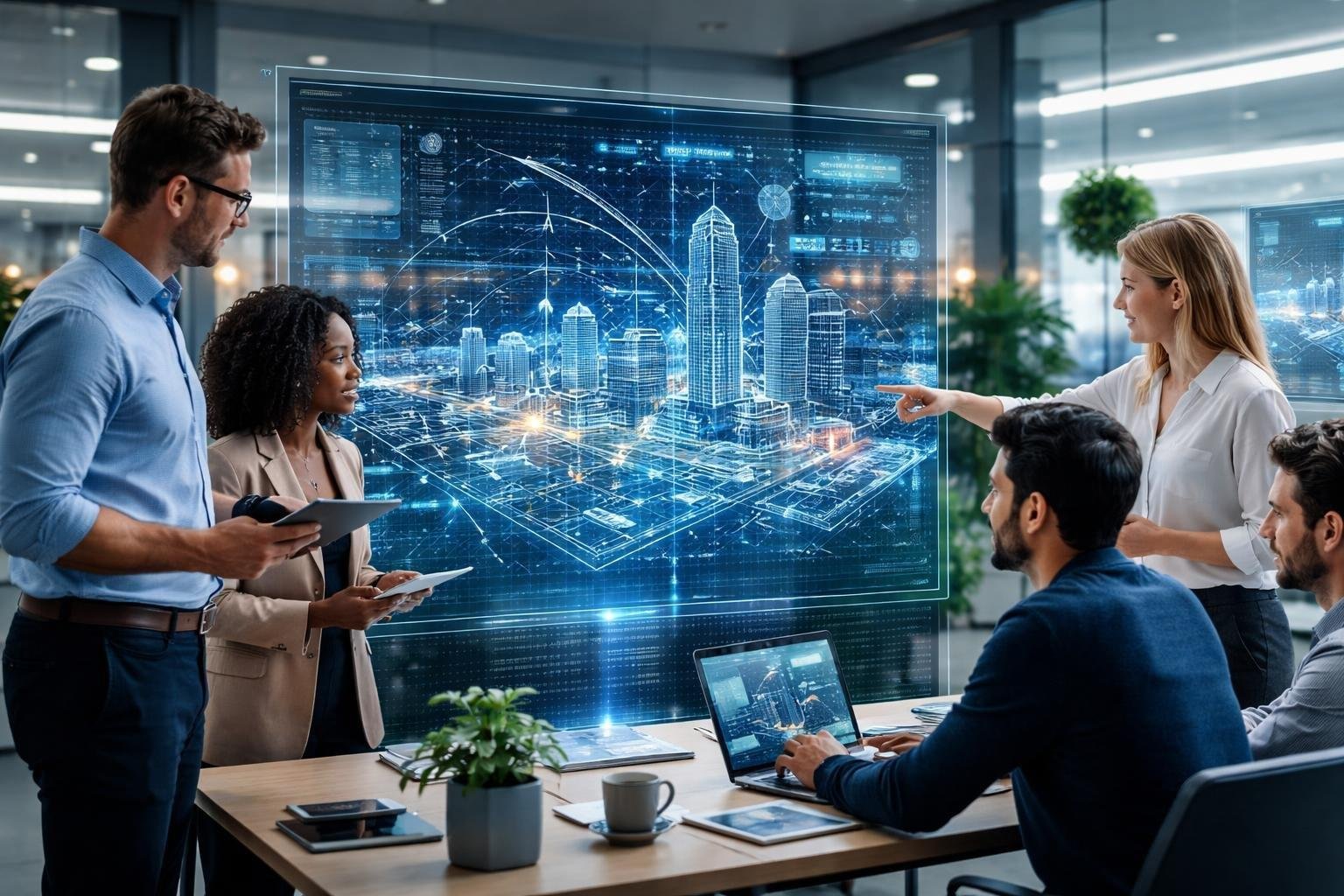
Exploring Digital Twin Technology
Digital Twin technology is one of the most exciting innovations in the world of digital transformation, providing industries with an advanced tool to improve efficiency, enhance productivity, and make informed decisions. The concept, which involves creating a virtual representation of a physical object, system, or process, has found applications across numerous sectors such as manufacturing, healthcare, transportation, and urban planning. In this blog post, we will explore the fundamentals of Digital Twin technology, its various applications, and how it is shaping the future of industries worldwide.
What is Digital Twin Technology?
At its core, Digital Twin technology refers to the creation of a virtual or digital replica of a physical object, system, or process. This replica is updated in real-time using data from sensors, IoT devices, and other connected systems. By mirroring the physical entity’s behavior, conditions, and performance, Digital Twins allow users to monitor, analyze, and optimize real-world systems from a digital perspective.
Digital Twins are more than just 3D models or simulations. They are dynamic, data-driven models that evolve over time based on inputs from the physical counterpart. This enables businesses to predict future behaviors, troubleshoot issues before they occur, and optimize operations for maximum performance.
The Evolution of Digital Twin Technology
The idea of Digital Twin technology can be traced back to the early 2000s when NASA used it for space missions. The concept was developed as a way to replicate spacecraft in virtual space to study and predict how they would behave during flight. However, it was not until the rise of the Internet of Things (IoT) and advances in computing that the potential of Digital Twins became truly realized.
Today, Digital Twin technology is no longer confined to space exploration. With the increased connectivity of devices and the availability of big data, industries are embracing Digital Twins to drive innovation and enhance operational efficiency. These digital models are now accessible to businesses of all sizes, making them a vital tool in the digital transformation journey.
How Digital Twin Technology Works
A Digital Twin is created through the integration of sensors, IoT devices, and data analytics tools. Here’s a brief overview of the process:
- Data Collection: The first step in building a Digital Twin is gathering data from sensors and IoT devices attached to the physical object or system. This could include data on temperature, pressure, movement, speed, and other performance metrics.
- Data Integration: Once the data is collected, it is integrated into a digital platform that uses analytics and simulation software to create a virtual model. The model is a replica of the physical system, but it is also dynamic, adjusting in real-time as new data comes in.
- Simulation and Analysis: The digital model allows for simulation and analysis. Operators can run "what-if" scenarios to predict how the system will behave under different conditions. This helps in understanding potential failures, inefficiencies, or other areas for improvement.
- Optimization: Based on the simulations and analysis, businesses can make data-driven decisions to optimize their processes. Whether it's reducing energy consumption, increasing production output, or improving system reliability, Digital Twin technology helps organizations operate at their best.
Applications of Digital Twin Technology
Digital Twin technology is being applied across various industries, providing a range of benefits. Here are some of the key sectors where it is making an impact:
1. Manufacturing and Industry
One of the most prominent uses of Digital Twins is in the manufacturing industry. With complex machinery and production systems, manufacturers need to ensure that operations run smoothly and efficiently. Digital Twin technology allows for real-time monitoring of machines, assembly lines, and production systems, enabling operators to detect issues early and make adjustments before problems escalate.
By integrating Digital Twins with predictive maintenance tools, manufacturers can reduce downtime and improve asset lifespan. These digital models also allow manufacturers to simulate production processes, optimize workflows, and test changes without disrupting actual operations.
2. Healthcare and Medical Devices
In healthcare, Digital Twin technology is helping to revolutionize patient care and medical device management. Medical devices, such as pacemakers, respirators, and monitoring systems, can have their real-time data fed into Digital Twins, allowing healthcare providers to track their performance and identify potential issues before they affect the patient.
Digital Twins are also being used to create virtual replicas of individual patients. By combining patient data such as genetics, medical history, and current health conditions, doctors can model potential treatment options and predict the effectiveness of different therapies. This personalized approach to medicine is a game-changer, offering better outcomes and more precise care.
3. Smart Cities and Urban Planning
The concept of Digital Twins is being widely explored in the development of smart cities. By creating digital replicas of entire cities, urban planners can analyze infrastructure performance, monitor traffic patterns, predict energy consumption, and optimize public services.
For example, a Digital Twin of a city’s transportation network can simulate traffic flow, helping to reduce congestion, improve public transport scheduling, and lower environmental impact. Similarly, Digital Twins can be used to optimize the energy usage of buildings, monitor waste management systems, and even predict how changes in weather or population growth might affect urban infrastructure.
4. Automotive and Aerospace
The automotive and aerospace industries have also seen substantial benefits from Digital Twin technology. In automotive design and manufacturing, Digital Twins are used to simulate vehicle performance, optimize fuel efficiency, and improve safety. Automakers can test different designs and configurations in the digital realm, significantly reducing the time and cost required for physical prototypes.
In aerospace, Digital Twins are used for everything from testing new aircraft designs to managing the performance of existing fleets. Airlines and maintenance teams can use Digital Twins to monitor aircraft health in real time, predict potential maintenance needs, and minimize downtime.
5. Energy and Utilities
Energy companies use Digital Twins to monitor power plants, wind farms, and other energy systems. Real-time data collected from sensors on turbines, boilers, and power grids is used to create digital models that allow for predictive maintenance, optimize energy generation, and reduce operational costs.
In addition, Digital Twin technology helps energy companies monitor environmental impact, improve resource management, and test new technologies in a virtual setting before implementing them in the real world.
Benefits of Digital Twin Technology
The adoption of Digital Twin technology brings a host of benefits to businesses, including:
- Improved Decision-Making: By providing real-time, data-driven insights, Digital Twins enable better-informed decisions, whether it's about production schedules, maintenance, or resource allocation.
- Cost Savings: By reducing downtime, optimizing operations, and improving asset utilization, Digital Twin technology helps businesses save on costs. Predictive maintenance alone can significantly reduce repair costs and prolong asset lifespan.
- Increased Efficiency: Digital Twins allow businesses to simulate different scenarios and optimize workflows. This leads to greater operational efficiency and productivity.
- Enhanced Innovation: The ability to test and simulate different scenarios in a digital environment allows businesses to innovate faster and with lower risks. New designs, systems, and processes can be tested virtually before being implemented in the real world.
- Sustainability: Digital Twins can help businesses optimize energy use, reduce waste, and improve sustainability efforts. By accurately simulating the impact of different decisions, businesses can minimize their environmental footprint.
The Future of Digital Twin Technology
As IoT devices continue to proliferate, the amount of data available for Digital Twin models will only increase. This will allow for even more accurate simulations and insights, driving further innovations across industries. Furthermore, advancements in artificial intelligence (AI), machine learning, and edge computing will enhance the capabilities of Digital Twins, enabling them to make autonomous decisions and even predict complex, non-obvious outcomes.
In the future, we can expect to see even broader applications of Digital Twin technology in areas such as autonomous vehicles, personalized healthcare, and environmental monitoring. As the technology continues to evolve, its potential to transform industries and improve everyday life is limitless.
Conclusion
Digital Twin technology is a powerful tool that provides businesses with real-time insights, predictive analytics, and optimization opportunities. By creating a virtual replica of physical objects, systems, and processes, companies can enhance efficiency, improve decision-making, and foster innovation. As industries across the globe continue to embrace this technology, we can expect it to play an even more pivotal role in shaping the future of business, urban development, and beyond.