


Evaluating Facade Design with Architectural Scale Models
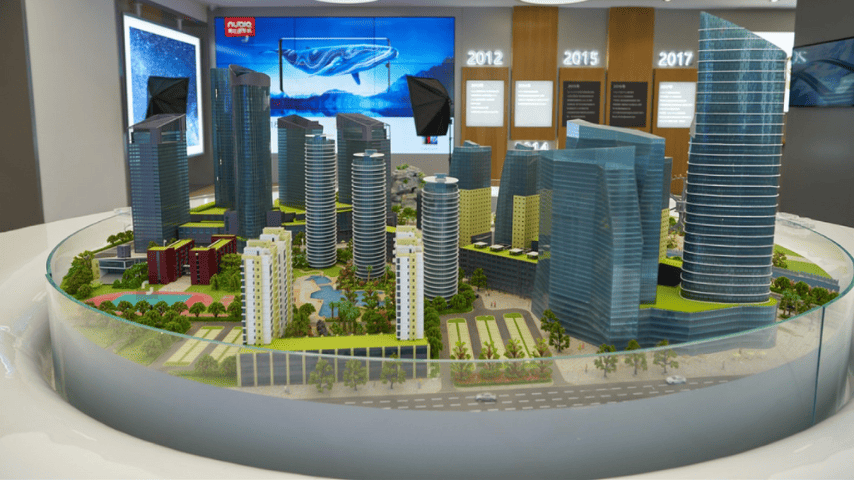
Facade design is one of the most important aspects of any building project. It represents the external appearance of a structure and shapes how people experience the building visually. A well-designed facade also influences environmental performance, lighting, and ventilation. Architects spend significant time studying facade materials, patterns, and proportions before finalizing a design.
However, drawings and digital images sometimes fail to fully communicate how a facade will appear in real life.
This is where physical models become highly valuable. Through architectural scale model making, designers can transform digital ideas into tangible forms that help evaluate the facade from different angles and distances. A physical model allows stakeholders to observe the structure in three dimensions, making it easier to understand how various facade elements interact with the overall building form.
Visualizing Proportions and Architectural Balance
One of the major challenges in facade design is achieving the right balance between different elements such as windows, panels, shading devices, and structural frames. When architects work only with digital renderings, it can sometimes be difficult to judge the true proportions of these elements. Physical models help solve this problem by presenting the building at a scaled-down yet realistic size.
Designers can analyze the spacing between windows, the depth of balconies, and the alignment of decorative elements. The model provides a clear sense of symmetry and rhythm in the facade composition.
With the help of an architectural scale model making service, architects can build highly accurate representations that allow them to refine proportions before construction begins. This process helps prevent design inconsistencies that might otherwise appear during the building phase.
Studying Material and Texture Representation
Facade materials greatly influence the identity of a building. Glass, metal, stone, and composite panels each create different visual effects. In many projects, the combination of these materials defines the character of the entire structure. Physical models allow architects to simulate these materials using carefully selected modeling components. Even though the materials are miniature versions, they still provide a realistic impression of surface texture and finish.
This helps designers evaluate how different materials interact with each other on the facade. For example, architects can test how a smooth glass surface contrasts with textured stone panels or how metallic elements highlight structural lines. A well-crafted model built through an architectural scale model making service can present these variations clearly, allowing project teams to make informed design decisions.
Evaluating Light and Shadow Effects
Lighting conditions play a major role in how a facade appears throughout the day. Sunlight creates shadows that emphasize architectural features such as louvers, overhangs, and vertical fins. These details may appear subtle in drawings but become more evident when light interacts with a physical model. By placing the model under different lighting conditions, designers can study how shadows move across the facade.
This helps determine whether shading elements are effective and visually appealing. Light analysis through scale models is particularly useful for buildings located in sunny climates where facade shading systems are essential. The ability to observe these effects in a realistic environment provides architects with valuable insights during the design phase.
Improving Design Communication Among Stakeholders
Architectural projects usually involve multiple stakeholders, including developers, investors, planners, and marketing teams. Not everyone involved in the project has technical architectural knowledge. Because of this, it can sometimes be difficult to explain facade design using technical drawings or digital presentations alone.
A physical model offers a clear and intuitive way to communicate design ideas. People can easily see how the facade relates to the building’s overall structure and surrounding environment. When stakeholders gather around a model, discussions become more productive because everyone can visually understand the design.
This clarity helps ensure that design decisions are agreed upon early in the process. An architectural scale model making service often supports such presentations by creating detailed models that simplify complex architectural concepts.
Testing Design Alternatives and Modifications
Facade design rarely remains unchanged during the planning phase. Architects often explore multiple options before choosing the final concept. Physical models make it easier to compare these alternatives side by side. Designers can create interchangeable facade panels or modify certain parts of the model to test different patterns and materials.
For example, they might compare vertical louvers with horizontal shading devices or experiment with different window arrangements. Observing these variations in a physical model helps architects understand which option provides the best visual impact and functionality. This testing process reduces uncertainty and supports more confident design decisions.
Supporting Urban Context and Surrounding Views
A building facade does not exist in isolation. It interacts with nearby buildings, streets, and public spaces. Evaluating a facade within its urban context is essential for achieving a harmonious architectural environment. Scale models often include surrounding structures, landscape elements, and road networks.
This broader perspective allows designers to study how the facade contributes to the character of the neighborhood. For instance, they can assess whether the building height, facade rhythm, and materials complement nearby developments. Viewing the facade within a contextual model helps ensure that the design integrates well with its surroundings.
Conclusion
Facade design is a complex process that requires careful evaluation of proportions, materials, lighting, and urban context. While digital tools are useful, physical models provide a level of clarity that is difficult to achieve through screens alone. By transforming architectural ideas into tangible forms, scale models help architects analyze design details more effectively.
They also improve communication among project stakeholders and support the testing of multiple design options. Through architectural scale model making, designers gain a deeper understanding of how a facade will appear and perform in the real world. This practical approach helps ensure that the final building exterior achieves both aesthetic quality and functional efficiency.
Категории
Больше
How to Find Your Perfect Winter Parka: Lessons from Team Norway's 2026 Olympic Jacket Have you been searching for that ideal winter jacket one that combines sleek, minimalist style with real functional performance? Do you find yourself overwhelmed by options that either look good but fail to keep you warm, or feel too much like purely athletic gear for everyday wear? Finding that perfect...

Netflix's "Rim of the World" Assembles Diverse Cast for Alien Invasion Adventure Production has officially kicked off in Los Angeles for McG's third Netflix collaboration, bringing together an ensemble of young talent and established performers. Jack Gore, Miya Cech, Benjamin Flores Jr., and newcomer Alessio Scalzotto lead the cast as four unlikely teenage heroes whose summer camp experience...

Harvester Event for Blueprint Acquisition To acquire the Equalizer Blueprint in ARC Raiders, you must engage with the unique Harvester event. This event is not static; it rotates across specific maps, including Dam Battlegrounds, Spaceport, and Blue Gate. Conventional loot containers will not yield this schematic. Your sole opportunities are twofold. First, by successfully solving the...
Несмотря на отсутствие скидок, PlayerUnknown's Battlegrounds продолжает доминировать в чартах Steam, не сдавая позиции уже четырнадцать недель подряд. Даже летняя распродажа, стартовавшая на платформе, не смогла поколебать его лидерства. В то время как другие популярные тайтлы, такие как Grand Theft Auto V и The Witcher 3, предлагают значительные скидки, PUBG обходится без них. Разработчики...
A dedicated Pokémon TCG enthusiast has put forward a staggering $9 million price tag for a rare assortment of cards he calls the “most complete” English collection. David Persin, a prominent figure within the Pokémon trading card game community, has curated a unique set of 67 rare cards, now available on eBay for an extraordinary sum. These cards are not ordinary...