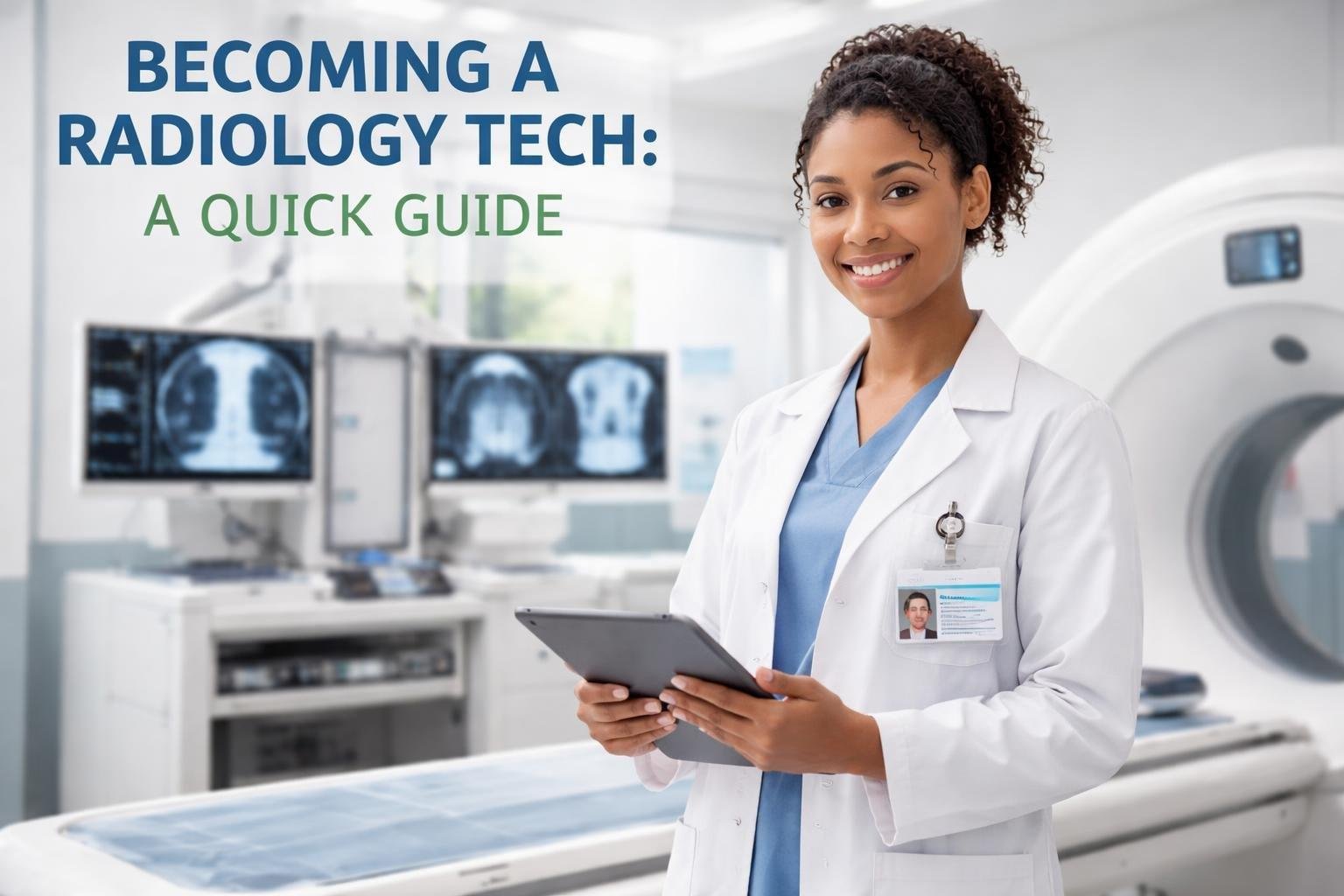
Becoming a Radiology Tech: A Quick Guide
Radiology technicians, or radiologic technologists (RTs), play an essential role in the healthcare system by helping doctors diagnose and treat patients using medical imaging technology. Whether you're considering a career in radiology or are just curious about the steps involved in becoming a radiology tech, this guide will walk you through the process, the necessary qualifications, and the skills required to thrive in this rewarding field.
What is a Radiology Tech?
Radiology technicians are healthcare professionals who specialize in operating imaging equipment, such as X-ray machines, CT scanners, and MRI machines. They work in hospitals, medical centers, and imaging clinics, assisting doctors and radiologists by capturing diagnostic images of a patient's body. These images help physicians detect and monitor conditions such as fractures, tumors, infections, and diseases like cancer.
Being a radiologic technologist involves more than just operating machines. It requires knowledge of anatomy, patient care, radiation safety, and equipment maintenance. It also requires empathy and communication skills to effectively interact with patients and other medical professionals.
Educational Requirements
To become a radiology tech, you'll need to complete a formal education program. Here's a step-by-step overview of the typical educational pathway.
1. Obtain a High School Diploma or Equivalent
The first step in becoming a radiology tech is to complete high school or earn a GED. Courses in biology, physics, mathematics, and health sciences can be particularly beneficial as they provide a foundation for understanding the human body and medical imaging technology.
2. Complete an Accredited Radiologic Technology Program
After finishing high school, you must enroll in an accredited radiologic technology program. These programs are offered by universities, community colleges, and technical schools. They typically last 2-4 years and culminate in an associate's or bachelor's degree in radiologic technology.
An accredited program will include both classroom instruction and hands-on clinical training. You'll study subjects like human anatomy, radiation physics, patient care, radiographic positioning, medical ethics, and radiation protection. Additionally, you'll gain practical experience in clinical settings, allowing you to work with real patients and imaging equipment under the supervision of experienced professionals.
3. Earn Certification
While certification requirements vary by location, most states and employers require radiology techs to pass a certification exam before they can begin working. In the United States, the American Registry of Radiologic Technologists (ARRT) offers a certification exam for radiologic technologists. This exam assesses your knowledge of radiologic principles and patient care.
Becoming certified by the ARRT not only meets state requirements but also enhances your job prospects. Many employers prefer or require certification to ensure that their radiologic technologists meet national standards for patient safety and quality care.
Key Skills and Competencies
Being a radiologic technologist requires a unique combination of technical skills, medical knowledge, and interpersonal abilities. Below are some of the essential skills needed to succeed in this field:
1. Technical Proficiency
Radiology techs must be skilled at operating complex imaging machines and technology. Understanding how to adjust equipment settings based on the patient's needs and the type of imaging required is crucial. Additionally, being able to troubleshoot issues with equipment and ensuring that all images are of high quality are key aspects of the role.
2. Knowledge of Anatomy and Physiology
A solid understanding of human anatomy is fundamental for radiology techs. They must know how to position patients correctly to capture accurate images of the body. This requires a thorough understanding of bones, organs, and tissues, as well as how they appear in medical imaging.
3. Attention to Detail
Radiologic technologists need to be detail-oriented, as even small mistakes in positioning or imaging can lead to inaccurate results. Being able to spot issues like unclear images or incorrect exposures quickly and correcting them is essential for ensuring high-quality diagnostic results.
4. Patient Care and Communication
Radiology techs interact directly with patients, so having strong communication and patient care skills is important. You'll need to explain procedures to patients, answer their questions, and provide reassurance, especially since some patients may feel anxious about undergoing imaging tests. Empathy, patience, and the ability to put patients at ease are critical in this role.
5. Radiation Safety Knowledge
Radiology techs work with radiation, so it's vital to understand how to minimize radiation exposure to both patients and themselves. This includes using shielding devices, adjusting exposure settings, and following safety protocols to ensure a safe working environment.
6. Problem-Solving Skills
As a radiologic technologist, you'll face a variety of challenges, such as managing patients who are unable to hold still or troubleshooting equipment malfunctions. Being able to think critically and solve problems quickly is a crucial skill in this fast-paced environment.
Work Environment and Job Outlook
Radiologic technologists typically work in hospitals, imaging centers, and outpatient clinics. They may work in emergency rooms, operating rooms, or specialized radiology departments. The work can be physically demanding, as it often requires standing for long periods, moving patients, and lifting heavy equipment.
The job outlook for radiology techs is positive. According to the U.S. Bureau of Labor Statistics (BLS), employment of radiologic technologists is expected to grow by 7% from 2019 to 2029, which is faster than the average for all occupations. This growth is driven by an aging population that requires more diagnostic imaging services, as well as advancements in medical technology.
Advancement Opportunities
Once you have gained experience as a radiology tech, there are several opportunities for career advancement. You may choose to specialize in a particular type of imaging, such as MRI, CT scans, mammography, or sonography. Specializing in a particular area often requires additional training and certification but can lead to higher salaries and more job opportunities.
Additionally, radiologic technologists may pursue supervisory or managerial roles, teaching positions, or even sales and marketing positions for imaging equipment companies. Continuing education and certifications are key to advancing in this field and staying up-to-date with the latest technologies and techniques.
Salary Expectations
The salary of a radiology tech can vary based on factors like experience, location, and specialization. According to the BLS, the median annual wage for radiologic technologists in the U.S. was $61,900 as of May 2020. However, those working in certain specialties, such as MRI or CT scanning, may earn higher salaries. Additionally, radiology techs employed in metropolitan areas or large hospitals tend to earn more than those working in smaller practices.
Conclusion
Becoming a radiology tech is a rewarding career choice for those interested in healthcare and medical technology. With the right education, certification, and skills, you can work in a dynamic field that plays a crucial role in patient care and medical diagnostics. Whether you're drawn to the technology aspect, the ability to help others, or the opportunity to specialize in a particular area, a career as a radiologic technologist offers many possibilities for growth and advancement.
If you're ready to take the next step, start researching accredited radiology programs, explore certification options, and prepare yourself for a fulfilling career in this vital healthcare profession.